
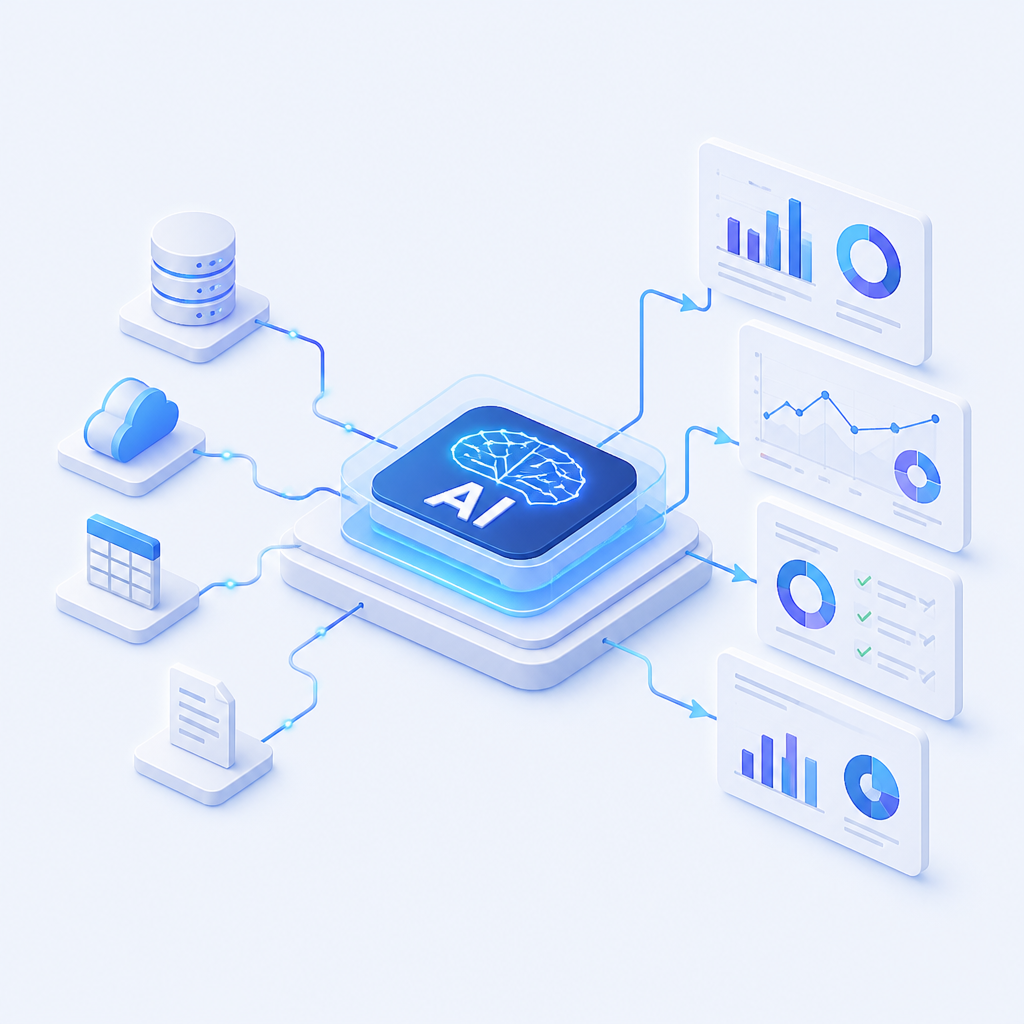


Unify data from ERP, CRM, ops, and finance systems
AI Decision Reporting
Improve visibility and decision-making across your systems
Most leadership teams don't lack data — they lack a reliable way to see it. Argos builds reporting and decision systems that pull from your real sources, reconcile the numbers, and surface what actually changed.
The problem
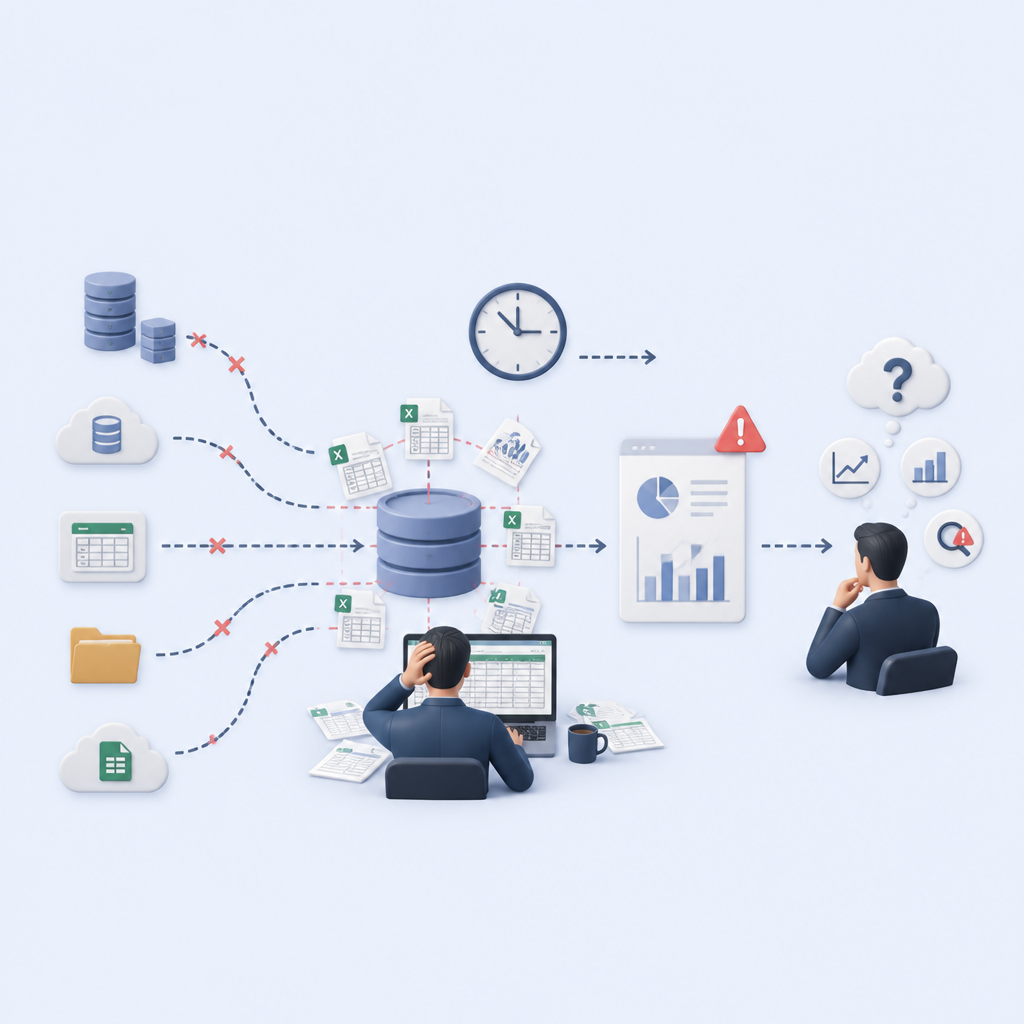
Decisions get made on stale, fragmented data
Reporting still depends on weekly spreadsheet exports, manual reconciliation, and tribal knowledge. By the time the deck is ready, the numbers have already moved.
This leads to
- Reports take days to assemble and are stale on arrival
- Numbers don't match between teams or systems
- Leaders make decisions on gut feel instead of data
- Anomalies and exceptions are caught late, if at all
Why it happens
- Data is locked in disconnected systems
- Reporting depends on a few key people in spreadsheets
- No common definitions across teams (metrics drift)
- No automated way to flag what's changing
Our approach
Reporting that reflects what's actually happening
We unify your operational and financial data into clean, reusable models — then layer dashboards, narratives, and alerts on top so the right people see the right things.
Live operational and executive dashboards
AI summaries, anomaly detection, and explanations
Consistent metric definitions across the business
How it works
From spreadsheets to a managed reporting layer
-
Define
Agree on the metrics, definitions, and decisions that matter.
-
Connect
Integrate the systems that actually own the underlying data.
-
Model
Build clean, reusable data models — one source of truth per metric.
-
Surface
Deliver dashboards and AI-generated narratives where decisions happen.
-
Alert
Detect anomalies and exceptions automatically and route them for action.

Common use cases
Where teams put this to work first
- Executive dashboards
- Operational reporting
- Financial close visibility
- Pipeline & forecast reporting
- Anomaly and exception alerts
Outcomes
What clients typically see
Reliable reporting compounds — better decisions, fewer reconciliation debates, and far less manual work.
Faster reporting cycles
Reports refresh automatically instead of being rebuilt every week.
Better decisions
Leaders work from current, reconciled data — not last month's snapshot.
One source of truth
Metrics align across teams, so debates focus on actions, not numbers.
Less manual reporting work
Analysts stop assembling spreadsheets and start interpreting.
When to implement
Reporting is mostly manual spreadsheet work
Numbers don't reconcile across teams
Decisions are made without timely data
FAQ
Common questions
Not necessarily. We start with the data you have and build a clean, reusable model around it — a warehouse is one option, not a prerequisite.
No. We work with the BI and dashboard tools you already use, and add an AI layer for narratives, anomaly detection, and natural-language queries.
Yes — narratives are generated from the same numbers in your dashboards and reviewed against defined metric rules. The data, not the model, is the source of truth.