

Validate early
How we work
A structured approach to building & evolving operational systems
Most software projects fail for predictable reasons — unclear requirements, long timelines, and systems that don't reflect how the business actually operates.
Argos combines a prototype-first mindset with a product operating model to deliver systems that are aligned with your operations, validated early, and improved over time.
The Problem
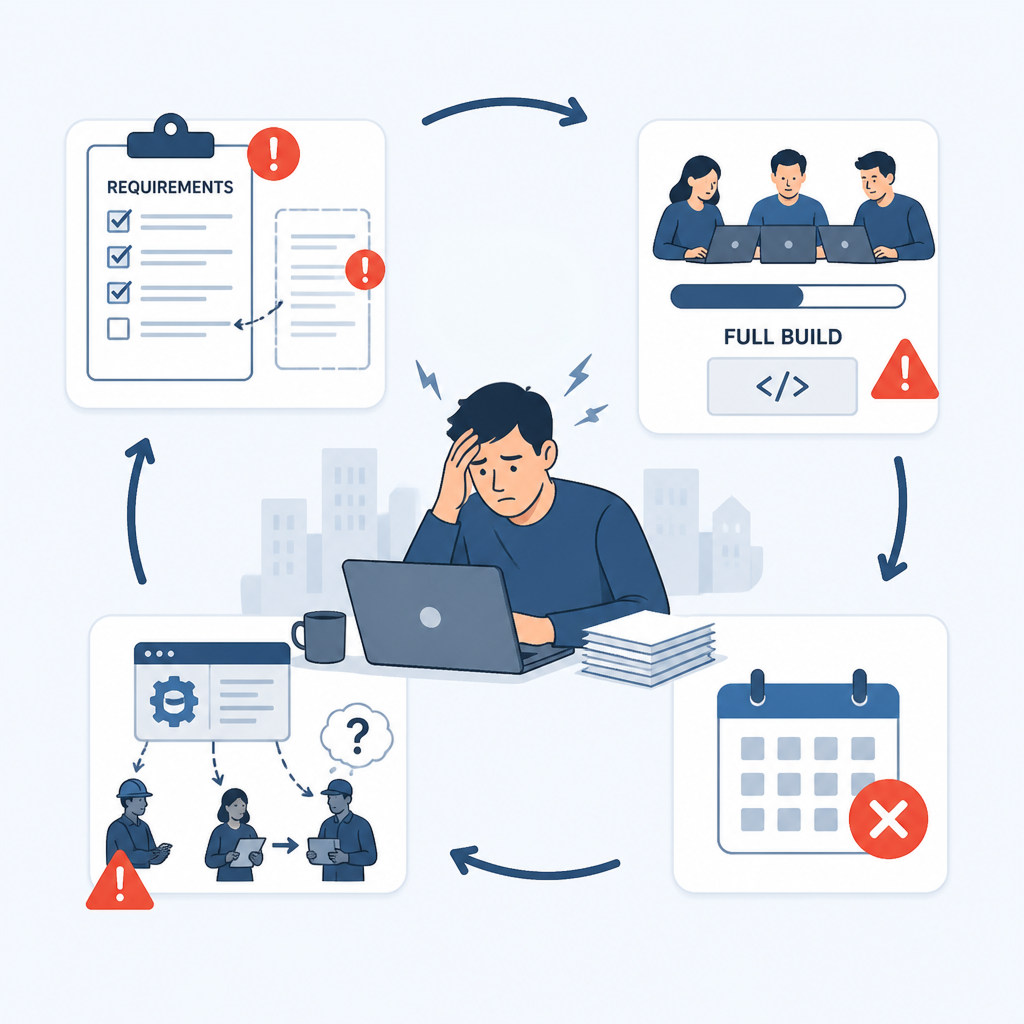
Why most software projects struggle
The pattern repeats — across industries, sizes, and stacks. The cause isn't technology. It's how the work is structured.
- Requirements are defined upfront but change over time
- Teams commit to full builds before validation
- Delivery is treated as a one-time project
- Systems are built without fully understanding operational workflows
Our Approach
Build systems the way products are built
We treat operational systems as evolving products — not fixed-scope projects.
Reduce risk
Adapt as your business changes
Deliver value incrementally
How It Works
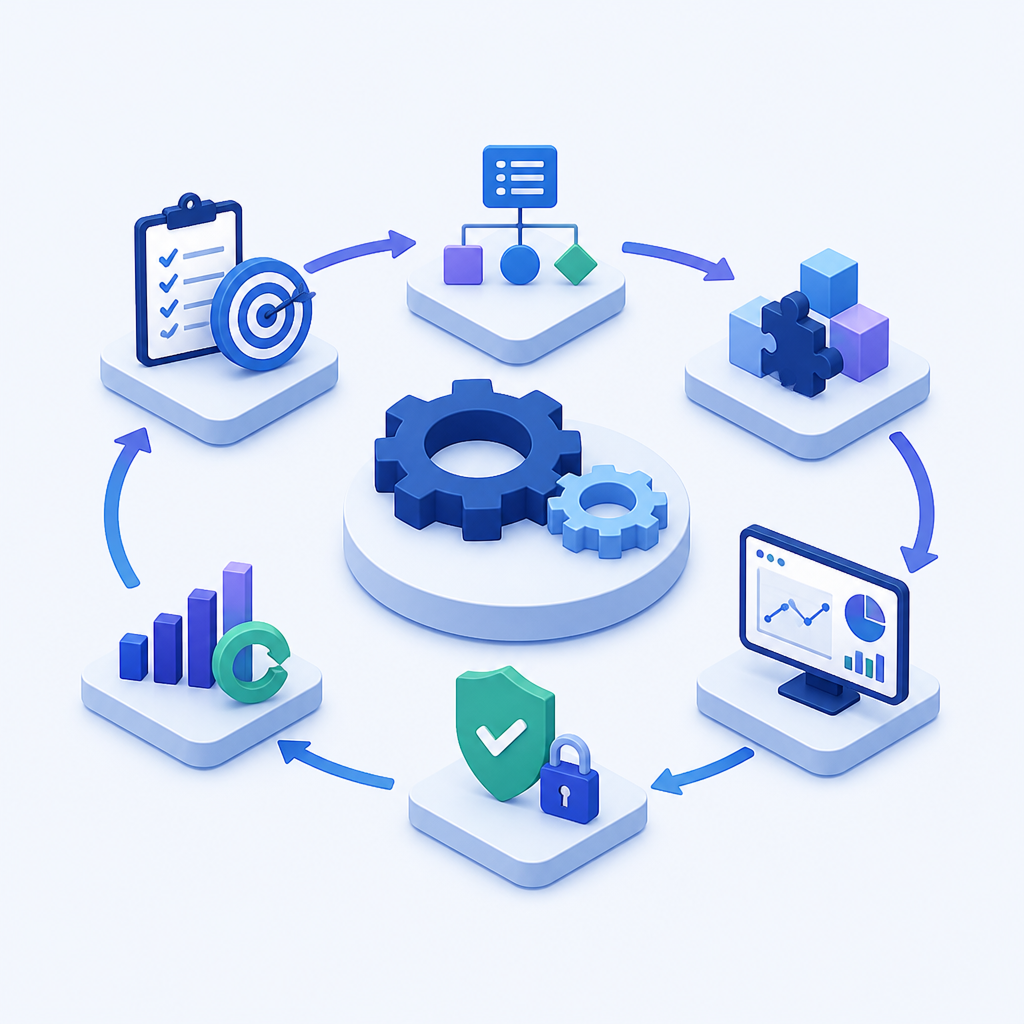
A four-stage model
AI & Operational Audit
We start by understanding how your operations actually function — mapping workflows, identifying manual processes, reviewing systems and data flow, and highlighting high-impact automation opportunities.
Outcome: A clear view of where to focus first and what impact to expect.
Prototype First
Before committing to full development, we validate key workflows with lightweight prototypes, workflow simulations, and early versions of core functionality.
Outcome: Reduces risk, clarifies requirements, ensures alignment before scaling.
Product-Based Delivery
We build systems in structured phases — prioritizing high-impact workflows, releasing components incrementally, and integrating continuously with existing systems.
Outcome: Faster time to value and better alignment with operations.
Continuous Improvement
Operational systems are not static. As your business evolves, your systems evolve with it — refining workflows, improving performance, and expanding capabilities over time.
Outcome: Systems that compound in value instead of decaying.
Product Operating Model
How we structure delivery
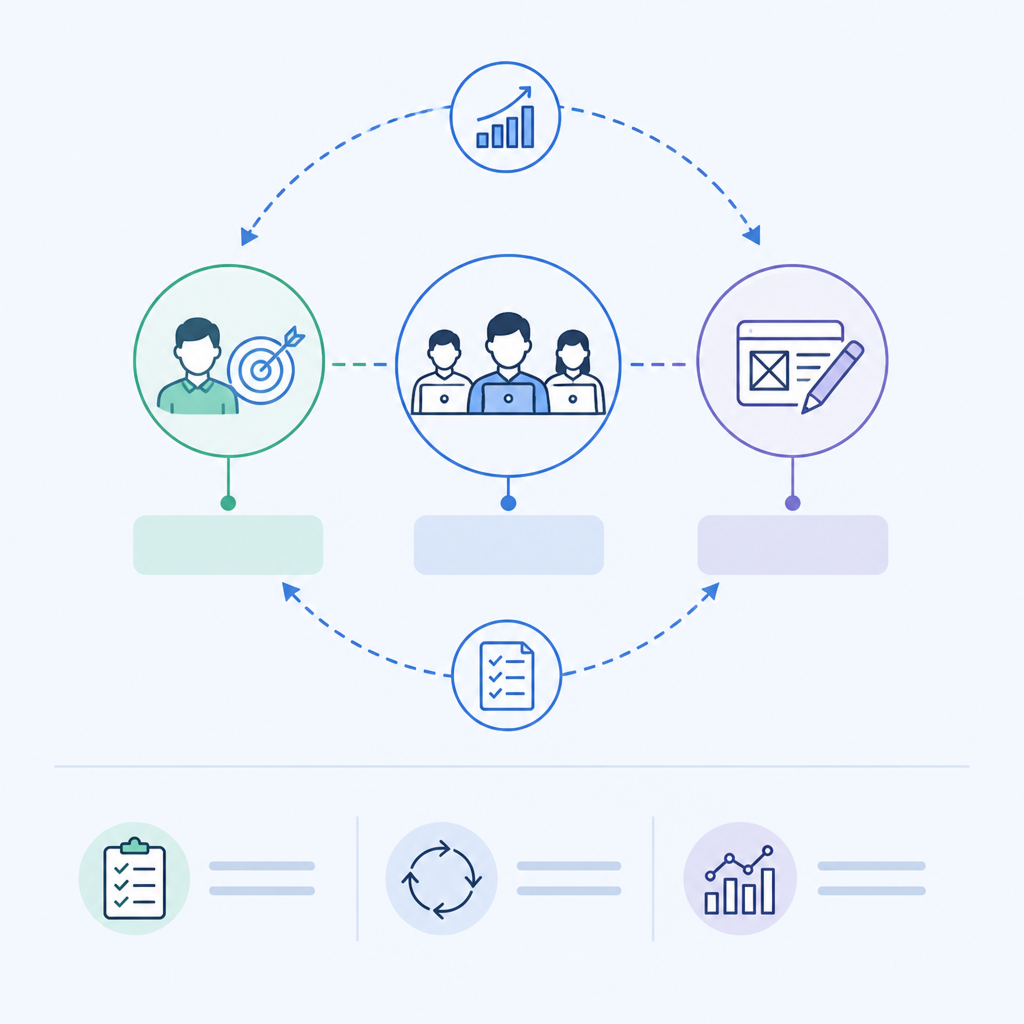
We organize work around product thinking, not isolated tasks.
Key principles
- Decisions tied to operational impact
- Continuous feedback loops
- Measurable outcomes over output

Parallel Delivery Model
Speed without losing control
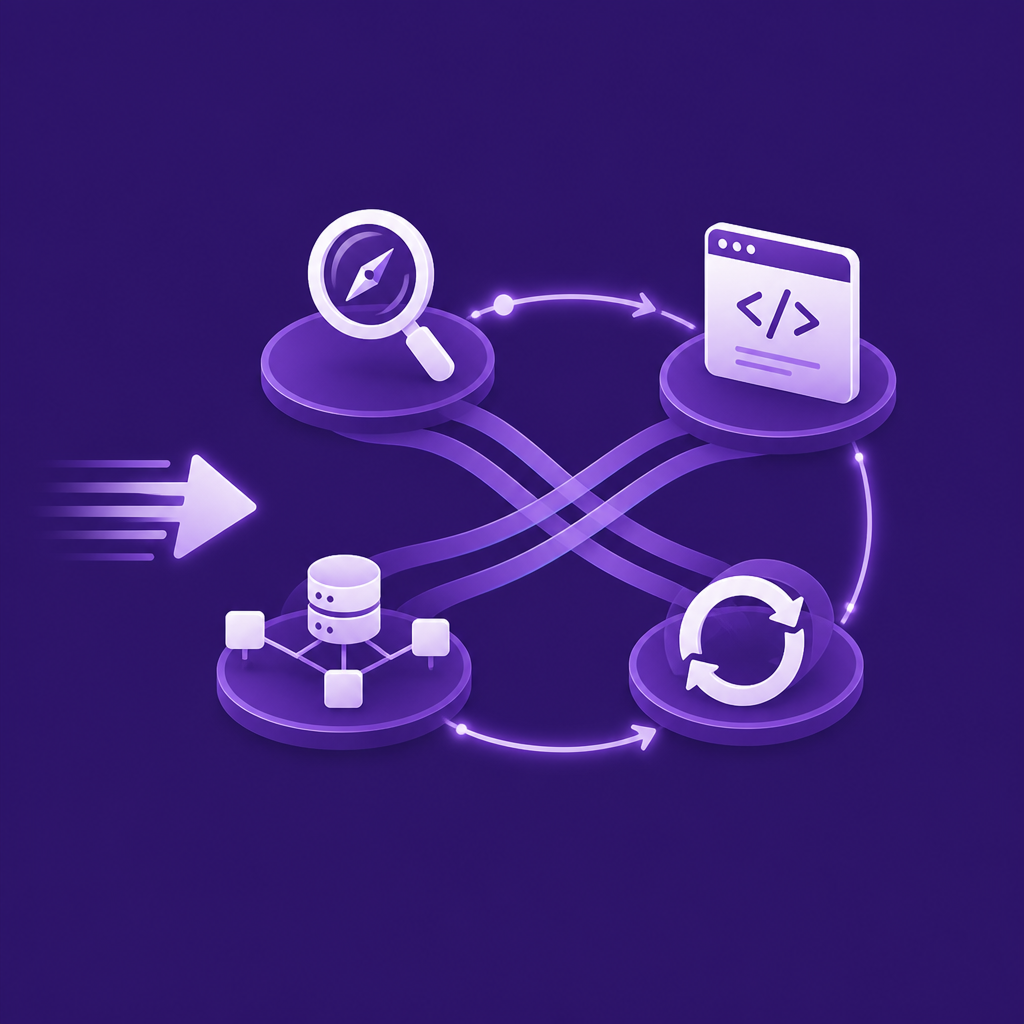
Instead of working sequentially, we run multiple streams in parallel — coordinated through product thinking and clear ownership.
Discovery & validation
Continuous problem framing alongside delivery.
Development
Build streams running in structured phases.
Integration
Ongoing connection to existing systems and data.
Refinement
Iteration based on real operational feedback.
Governance & Reliability
Built for real business environments
Structured workflows
Not ad hoc automation.
Auditability & control
Every change is visible and reversible.
Predictable cadence
Reliable delivery rhythm.
Clear communication
Visibility for every stakeholder.
How We Engage
A practical, phased model
01
Audit
- Identify opportunities
- Define priorities
- Estimate impact
02
Build
- Prototype key workflows
- Implement initial systems
- Integrate with existing tools
03
Run
- Expand capabilities
- Optimize performance
- Adapt to business changes
Why this approach works
What it solves
- Reduces risk before major investment
- Aligns systems with real workflows
- Delivers value earlier in the process
- Supports long-term operational improvement
Who this works best for
Best-fit organizations
- Mid-market companies with complex operations
- Teams that want structured, predictable delivery
- Organizations that prefer phased investment over large upfront builds
- Leadership teams focused on long-term operational efficiency
FAQ
Common questions
It is an approach where systems are built and improved continuously, with a focus on outcomes and alignment with business needs, rather than fixed-scope projects.
Prototyping allows validation of workflows and requirements early, reducing risk and avoiding costly rework.
Traditional approaches focus on delivering a predefined scope. This approach focuses on evolving systems based on real operational needs.
Through structured phases, clear priorities, and continuous feedback, ensuring alignment with business objectives.
We work closely with your team during key stages (audit, validation, feedback), while managing execution on our side.